Embracing Spring in the Kitchen with Fresh Ingredients and Memorable Gatherings

As spring arrives in Michigan there is a fresh energy in the kitchen and with it comes a sense of creativity and evolution to explore fresh flavors and textures and get ready for celebrations. Spring is a time to celebrate renewal, not just in nature but also in the way we gather and share meals.

Ingredient Spotlight
Spring brings a bounty of ingredients that inspire simple yet elegant dishes. Here are a few I am especially excited about this season:
Spring Peas
Their sweet, crisp bite adds a refreshing pop to salads, risottos, and light pastas. Fresh peas remind me of childhood gardens and the joy of biting into something pure and green.
Meyer Lemons
These lemons are less acidic and more floral than regular lemons, perfect for brightening dressings, marinades, and desserts. Their subtle sweetness pairs beautifully with herbs and seafood.
Asparagus
Tender and slightly grassy, asparagus is a spring staple. Roasted or grilled, it adds texture and color to any plate.
Fresh Herbs
Basil, tarragon, chives, and mint bring a burst of aroma and flavor that transforms simple dishes into memorable meals.
Fava Beans
Slightly nutty and creamy, fava beans are a delightful addition to spring salads and purees.
These ingredients invite experimentation and encourage a lighter, fresher approach to cooking that feels perfectly suited to the season.
Behind the Scenes: Tools That Make Cooking Easier
To bring these fresh ingredients to life, having the right tools helps streamline the process and ensures great results. Here are some kitchen essentials I rely on this spring:
This gadget takes the guesswork out of roasting meats. It alerts you when your beef tenderloin reaches the perfect temperature, so you get tender, juicy results every time.

A sturdy roasting pan with a rack allows air to circulate around the meat, promoting even cooking and a beautiful crust.
Precision and ease in chopping fresh herbs and vegetables make a big difference in prep time and presentation.
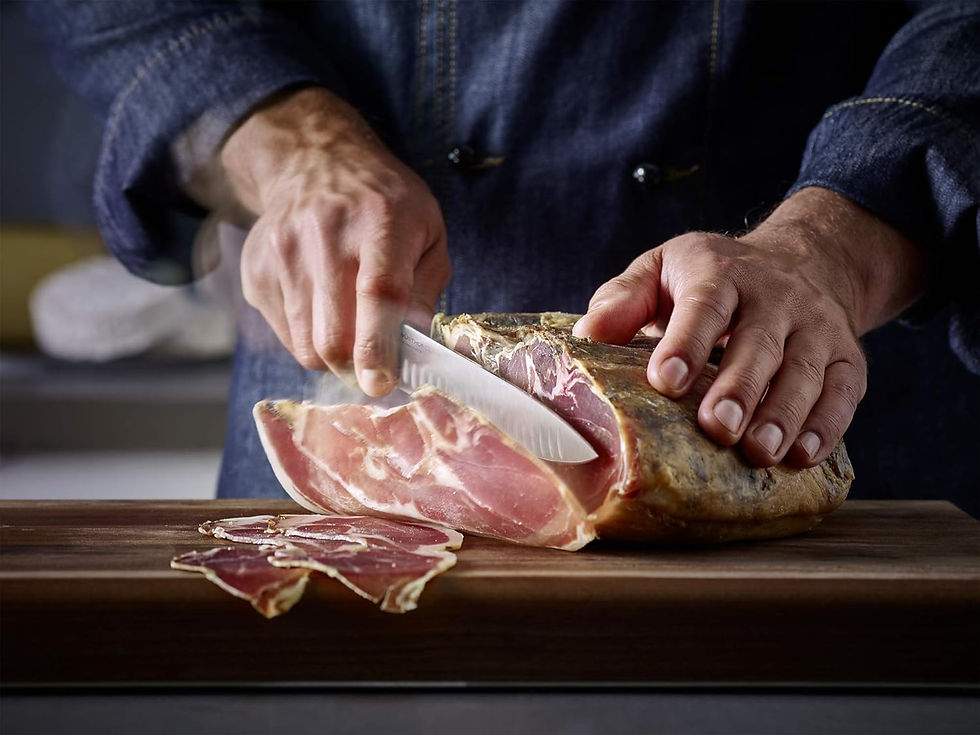
These scissors make quick work of snipping fresh herbs, releasing their aroma and flavor without bruising.
The perfect finishing touch to every dish - this brand is exceptional and an absolute must in the kitchen.

These tools support the creative process and help maintain the joy of cooking during busy spring days.
Whole Roasted Beef Tenderloin Using a Smart Meat Thermometer
One of the most elegant dishes to serve at a spring gathering is a whole roasted beef tenderloin. It’s simple to prepare but impressive on the table. Using a smart meat thermometer ensures the roast is cooked perfectly, tender and juicy without guesswork.
Servings
8–10
Prep Time
10 minutes
Cook Time
35–45 minutes
Ingredients
1 whole beef tenderloin (4–5 lbs), trimmed and tied
2 tablespoons olive oil
2 teaspoons kosher salt
1 teaspoon freshly cracked black pepper
Equipment
Smart meat thermometer
Roasting pan with rack
Instructions
Step 1 — Bring the Beef to Room Temperature
Remove the beef tenderloin from the refrigerator 45–60 minutes before cooking. This helps the meat cook evenly from edge to center.
Step 2 — Preheat the Oven
Set your oven to 425°F (220°C).
Step 3 — Prepare the Tenderloin
Rub the beef with olive oil, then season generously with kosher salt and black pepper.
Step 4 — Roast
Place the tenderloin on the roasting rack inside the pan. Insert the smart meat thermometer into the thickest part of the meat. Roast for 35–45 minutes, or until the thermometer reads 130°F (54°C) for medium-rare.
Step 5 — Rest and Serve
Remove the roast from the oven and let it rest for 15 minutes before slicing. This allows juices to redistribute, keeping the beef moist.
This dish pairs beautifully with spring vegetables like asparagus and fresh peas, accented by a squeeze of Meyer lemon and a sprinkle of fresh herbs.
Chef Tips for the Best Beef Tenderloin
Tie the roast: Tying the tenderloin keeps the shape even so it cooks uniformly.
Cook by temperature, not time: Every oven and roast is slightly different.
Do not skip resting: This step keeps the meat juicy.
Internal Temperature Guide
Rare → 125°F Medium-Rare → 130–135°F Medium → 140°F
The temperature will continue to rise slightly while the meat rests.
Frequently Asked Questions for Beef Tenderloin
How long does beef tenderloin take to cook?
A 4–5 lb tenderloin typically roasts for 35–45 minutes at 425°F, depending on the desired doneness.
Do I need to sear the tenderloin first?
For this recipe, roasting at a higher temperature develops a flavorful crust without needing to sear.
Why is a thermometer important?
Beef tenderloin is expensive and cooks quickly. A thermometer prevents overcooking and ensures perfect doneness.

Designing Menus for Connection
Spring gatherings feel different from winter ones. When designing menus, I think about how food encourages connection. Dishes like the roasted beef tenderloin create a centerpiece that draws people together, while fresh sides and vibrant flavors spark lively discussion.
Menus are crafted not just for taste but for the atmosphere they help create. I imagine guests sharing stories over plates filled with the season’s best, laughter mingling with the clink of glasses. The experience is about more than food; it’s about crafting moments that linger long after the meal ends.
Spring Menu 1
First Course Spring Pea & Basil Soup finished with lemon zest, crème fraîche & extra-virgin olive oil
Second Course Burrata & Baby Arugula Salad, heirloom tomatoes, shaved fennel, toasted pine nuts, aged balsamic
Main Course Seared Branzino roasted asparagus, fingerling potatoes, caper-lemon butter
Dessert Vanilla Bean Creme Brulee
$159/person minimum of 4 people optional add of appetizer for cocktail hour
Spring Menu 2
Cocktail Hour – Passed Appetizers
Classic Tomato Bruschetta: A toasted baguette layered with garlic, vine-ripened tomatoes, fresh basil, and shaved Parmigiano.
Mini Lump Crab Cakes: Delicate crab cakes served with spicy aioli and fresh microgreens.
First Course
Roasted Tomato Basil Soup: Slow-roasted tomatoes blended with fresh basil, finished with crème fraîche and basil oil.
Main Course
Center-Cut Filet Mignon: Tender filet topped with red wine reduction.
Served with truffle whipped potatoes and roasted asparagus.
Dessert
Strawberry Shortcake: buttermilk biscuit layered with macerated strawberries and freshly whipped cream.
$169/person, minimum of 4 people
Surf & Turf Upgrade:
Add $35 per person for lobster tail or sea bass.


Comments